


Slow travel is a mindset inspired by the slow food movement… the idea that life is richer when we take the time to savour the experience rather than rush from one thing to the next.
Instead of treating a holiday like a checklist of attractions to conquer, slow travel transforms a destination into a deeper, more personal journey.
It’s about staying longer, connecting more meaningfully and allowing time for the unexpected moments that often become the best memories.
What Does Slow Travel Look Like?
🏡 Fewer places, deeper experiences
Rather than visiting five destinations in ten days, slow travellers often choose one town or region and stay for weeks. This allows time to discover local cafés, meet residents, learn the rhythms of daily life and truly settle into the surroundings.
🙌 A stronger connection to place
Slow travel encourages travellers to experience a destination beyond the tourist highlights – from learning local traditions to enjoying regional produce and discovering the stories behind the places they visit.
⛴ More sustainable choices
Travelling slowly often means choosing trains, ferries, walking or scenic road trips instead of multiple short flights. The result is a smaller environmental footprint and a more relaxed journey.
Why Choose Slow Travel?
A packed itinerary may look impressive on paper, but rushing from one attraction to another can leave travellers feeling exhausted rather than refreshed.
Slow travel offers a chance to enjoy the journey as much as the destination.
Lower stress: Without constant check-ins, tight schedules and long queues, each day becomes an opportunity rather than another item on a to-do list.
Support for local communities: Staying longer and spending locally helps support family-run cafés, independent shops, local producers and regional businesses.
A lighter footprint: Fewer flights and more sustainable transport options can reduce the environmental impact of travel.
How to Embrace Slow Travel
Slow travel doesn’t require months of free time or an unlimited budget. Often, it simply requires a change in approach.
Choose one home base
Instead of changing accommodation every night, consider renting an apartment, staying in a local guesthouse or choosing a smaller regional town as a base for exploration.
Allow time to wander
Some of the most memorable travel experiences happen without a schedule. A walk through a neighbourhood, a conversation with a local or discovering a hidden bakery can become the highlight of a trip.
Eat like a local
Visit farmers’ markets, buy regional produce and enjoy meals made with ingredients grown nearby. Food is often one of the best ways to understand a destination.
Australia is home to some remarkable slow travel destinations – places where visitors can trade busy itineraries for longer stays, regional flavours and meaningful experiences.
From coastal villages in Victoria to pristine wilderness in South Australia, these destinations invite travellers to slow down and reconnect with the world around them.
Victoria: Mornington Peninsula
Just 90 minutes south of Melbourne, the Mornington Peninsula is a perfect example of slow travel done well. This coastal region combines rolling vineyards, farm-to-table dining, coastal scenery and natural wellness experiences.
A Perfect Slow Day: Wine and Hot Springs
A relaxed day on the Peninsula might begin with a peaceful walk or scenic ride up Arthurs Seat, taking in sweeping views across Port Phillip Bay.
From there, visitors can explore boutique wineries around Red Hill, enjoying cool-climate wines such as Pinot Noir and Chardonnay alongside seasonal local produce.
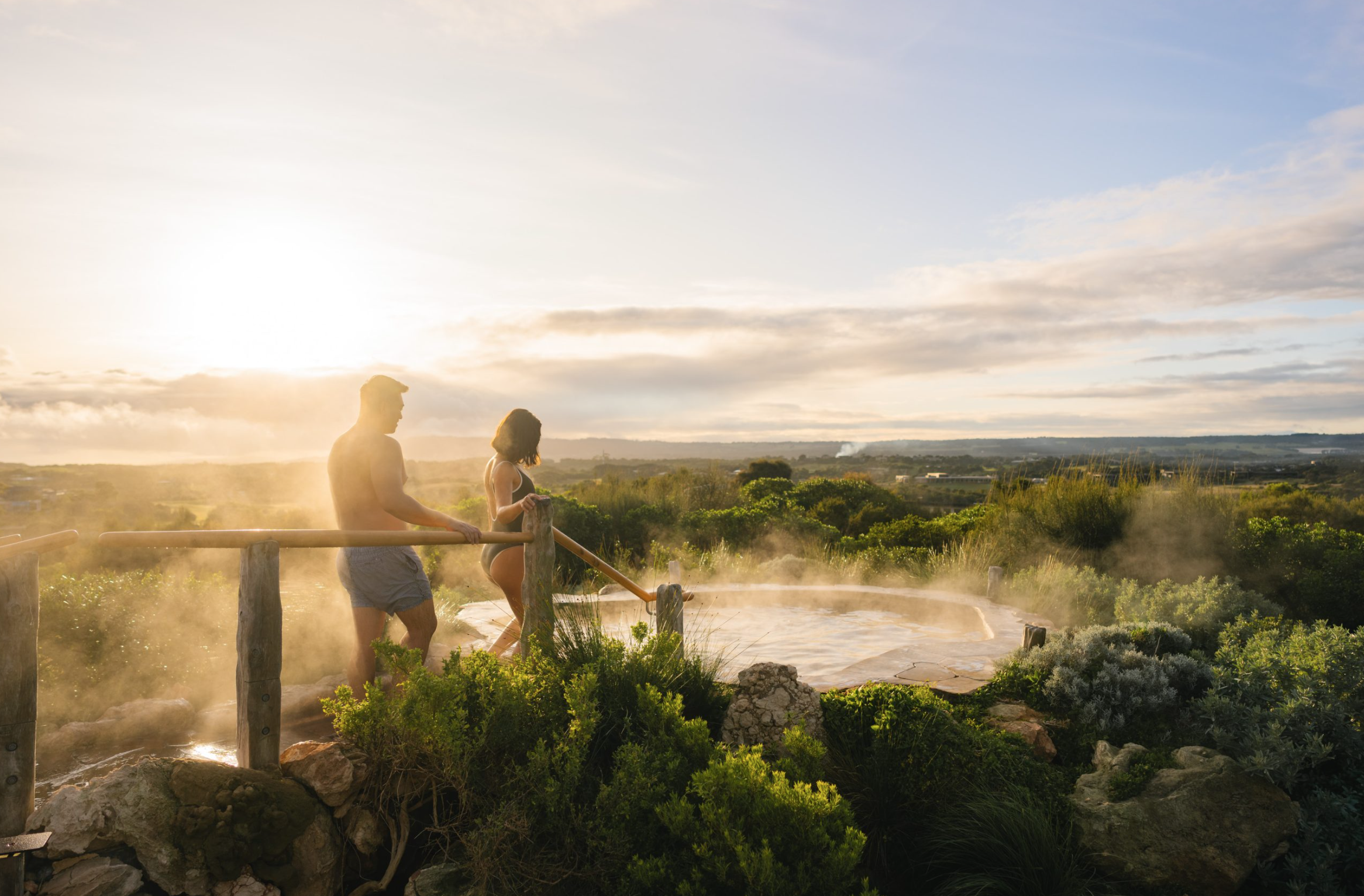
The day can finish with a visit to Peninsula Hot Springs, where more than 50 bathing experiences are nestled among native coastal bushland – the perfect place to unwind and recharge.
Stay Longer, Explore More
Rather than treating the Peninsula as a quick day trip, staying in towns such as Flinders allows time to explore local galleries, sample artisan produce from places like Main Ridge Dairy and walk the dramatic coastline around Cape Schanck.
South Australia: Kangaroo Island
For those seeking a true escape, Kangaroo Island offers a slower pace surrounded by nature.
With large areas dedicated to national parks and protected reserves, the island feels worlds away from busy city life.
The experience is about quiet roads, untouched beaches and encounters with Australia’s incredible wildlife.
Visitors can watch sea lions at Seal Bay, sample honey from pure Ligurian bees, taste locally produced gin and spot kangaroos, koalas and echidnas in their natural environment.
Here, the journey itself becomes the destination.
Tasmania: Freycinet Peninsula & Swansea
Tasmania’s east coast is perfectly suited to slow travel, with its cool climate, natural beauty and relaxed pace of life.
The seaside town of Swansea offers a peaceful base overlooking Great Oyster Bay, where visitors can enjoy fresh local produce and spectacular landscapes.
Highlights include buying fresh oysters directly from Freycinet Marine Farm, exploring the granite peaks of Freycinet National Park and taking in the iconic view across Wineglass Bay.
The journey from Hobart is also part of the experience, with opportunities to stop at family-run berry farms, historic villages and local producers along the way.
New South Wales: Yamba & Crescent Head
For a coastal escape away from the crowds, the mid-north coast of New South Wales offers charming towns where life moves at a gentler pace.
Places like Yamba and Crescent Head have retained a nostalgic coastal character, where mornings revolve around ocean swims, fishing, surfing and barefoot walks.
Slow travel here might mean watching local surfers catch the first waves of the day, buying fresh seafood straight from local fishermen or exploring uncrowded coastal walking tracks.
The Joy of Taking Your Time
Slow travel is ultimately about quality over quantity. It’s about swapping rushed sightseeing for meaningful experiences, allowing time to connect with places and people, and remembering that the best travel moments are often the ones that weren’t planned.
For those with more flexibility, slow travel offers a wonderful opportunity to explore Australia at a more relaxed pace – one coffee, conversation and coastal walk at a time.


